The $50M Question: Why Brands Keep Betting on Jersey Patches

Welcome The Gameplan by Dr. Dan. Where I break down the strategies, deals, and lessons shaping the sports business. My goal is simple: to give you the insider’s view of the sports business behind the scenes through ticketing, media rights, sponsorships, partnerships, and fan engagement so you can see the plays before they happen.
This week’s play? A tiny patch of fabric that’s become one of the most expensive and powerful assets in sports.
From Sacred Jerseys to Prime Real Estate
Let’s start with a number: $50 million. That’s what some brands now pay per year for a jersey patch. A logo smaller than a business card, commanding the kind of money most people associate with naming rights for an entire arena.
If that sounds crazy, you’re not alone. When the NBA introduced jersey patches in 2017, plenty of fans scoffed. Who would spend eight figures on a square inch of fabric?
Turns out: everyone.
North American sports long resisted ads on uniforms. Jerseys were considered sacred. Meanwhile, in Europe, shirt sponsors were part of the culture. Arsenal fans remember their team’s eras as much by the sponsor as the players: Dreamcast, O2, Fly Emirates. Barcelona’s iconic blaugrana is forever tied to Unicef, Qatar Airways, and now Spotify. Sponsors became part of the club’s identity.
The NBA’s test changed everything. The Warriors signed Rakuten for ~$20M a year. Today, that looks like one of the best deals in sponsorship history. Curry highlights alone delivered billions of impressions worldwide. Now, NHL, MLB, and MLS have all followed. Jersey patches aren’t an experiment anymore — they’re a billion-dollar business.
Why So Expensive?
Here’s the gameplan teams use to justify the price tag.
Every game, highlight, and TikTok replay includes the patch. That’s billions of impressions each season. If a brand tried to buy that much exposure through ads, the cost would often be higher than the patch fee.
But the real driver is cultural value. Jerseys are sacred objects. They’re identity. They’re memory. They’re belonging. Being stitched into that isn’t just media value — it’s emotional equity.
Or as I tell CMOs and marketers: the patch isn’t an ad. It’s an invitation into the tribe.
Sports fans don’t just root for a team—they belong to a tribe. Wearing a patch, a jersey, or a hat isn’t simply about repping colors, it’s a signal: this is my community, these are my people. Anthropologists would call it tribal identity. Just as ancient tribes painted their faces or carried symbols to distinguish themselves from outsiders, modern sports fans rally around logos, chants, and rituals that reinforce belonging. Walking into a stadium, you’re stepping into a modern-day village square, where everyone speaks the same language of cheers, heartbreak, and hope.
This tribal nature of fandom is why patches matter. They’re not just fabric—they’re badges of honor. A patch on a jacket or a bag doesn’t only say I support the team; it says I’ve invested, I’ve endured, I’ve celebrated alongside my tribe. That small emblem carries years of history, wins, losses, and shared memories. In many ways, patches act like passports into the culture of fandom. They allow individuals to physically display allegiance and—more importantly—signal to other members of the tribe that they belong. In a world where connection is currency, these symbols are the glue that keeps the tribe intact.
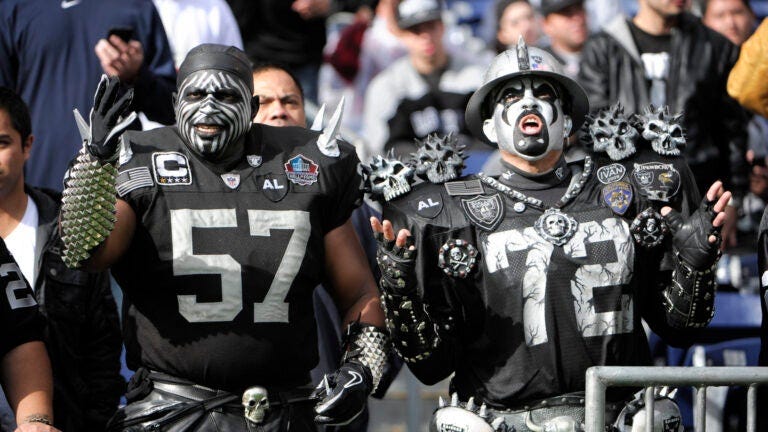
Sports fandom is tribal at its core, and you don’t need to look far to see it in action. Take Raiders Nation—a community that’s as much about identity as it is about football. The silver and black aren’t just colors; they’re armor. Fans paint their faces, wear spiked shoulder pads, and carry the reputation of being intimidating and loyal. It’s more than a game—it’s a culture that stretches from Oakland to Los Angeles to Las Vegas, binding generations together under the banner of the skull and crossbones. A Raiders patch stitched onto a jacket isn’t decoration; it’s initiation into one of the most recognizable tribes in all of sports.
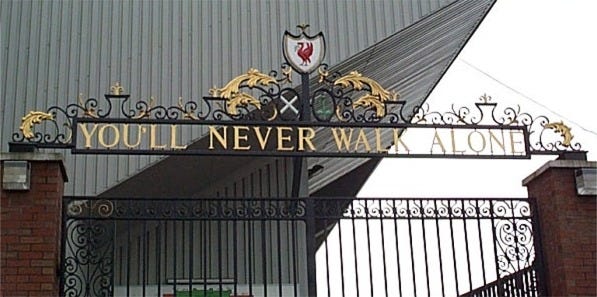
Across the Atlantic, Liverpool supporters carry their tribal identity with a different kind of ritual. “You’ll Never Walk Alone” isn’t just a song sung before kickoff—it’s a sacred hymn that unites Anfield and echoes across the globe. Liverpool patches and scarves don’t just signify fandom; they carry the weight of tradition, legacy, and a communal promise that no supporter ever stands alone. In many ways, Liverpool’s fan base is less a collection of individuals and more a global family bound by that anthem and crest.
And then there are the New York Jets, where the identity of the fan base has been forged through resilience. To wear the green and white is to embrace heartbreak and hope in equal measure. Jets patches and gear are badges of perseverance, signaling a shared history of ups and downs, of Broadway Joe’s Super Bowl III swagger, and of decades of waiting for the next big breakthrough. Being a Jets fan is tribal in its own right—it’s about loyalty in the face of adversity, about showing up every Sunday with the same passion, no matter the record.
Look I worked for the Jets for seven seasons, only in my first season was my only ‘winning season’. During my time the Jets only won 37 times and lost 76 times. Still fans still have ‘misery’ but they keep following the Jets, by going to games, listening to them on the radio, watch them on the television and follow them through social media (even though they might not be positive comments they are still VERY passionate).
In each case, the patch (For NFL it’s the practice jersey) is more than fabric. It’s a symbol of belonging—whether it’s the toughness of Raiders Nation, the anthem of Liverpool, or the resilience of the Jets. These aren’t just fans; they’re tribes, and the patch is their flag.
A Case Study: The Knicks
Sports fandom has always been tribal. The logo on your chest, the colors in your closet, the chants that echo in your section—all of it signals identity. For New Yorkers, the Knicks patch has long represented orange-and-blue loyalty, a badge of perseverance through decades of hope and heartbreak. But recently, that patch took on a new meaning—one that stretches far beyond Madison Square Garden.
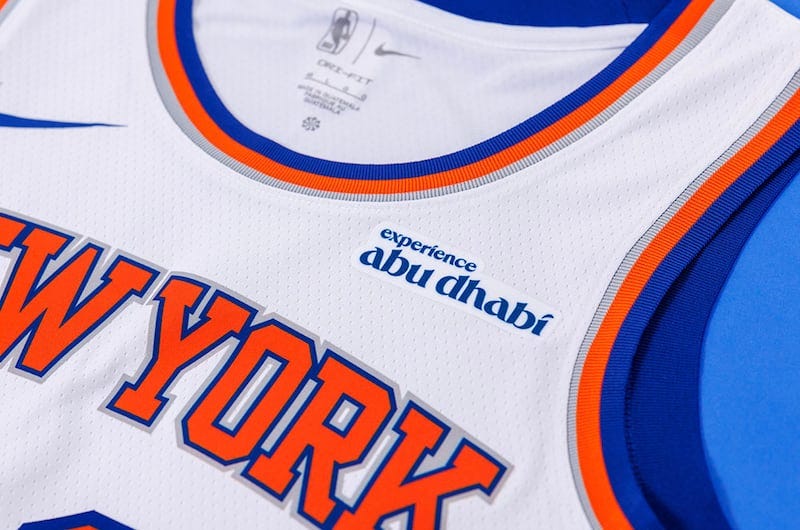
In 2024, the Knicks announced a multi-year partnership with the Department of Culture & Tourism, Abu Dhabi, making “Experience Abu Dhabi” the official jersey patch sponsor. On the surface, it looks like another global brand alignment, similar to deals we’ve seen across the NBA with crypto companies, airlines, and financial institutions. But when you dig deeper, this patch is more than fabric—it’s a collision between tribal fandom and global branding.
For some fans, the partnership felt jarring. Knicks Nation is one of the most loyal and long-suffering fan bases in sports. To suddenly see “Experience Abu Dhabi” stitched onto the jersey felt like an intrusion on sacred ground, a reminder that the team they’ve bled for is also a global marketing vehicle. On social media, some called it tacky, others went further, labeling it a “sellout move.” These reactions aren’t just about aesthetics—they’re about ownership. The jersey is supposed to belong to the tribe, and when that real estate is sold, it feels like something has been taken.
But there’s another lens to view this through: opportunity. The Knicks patch doesn’t just advertise Abu Dhabi; it broadcasts New York basketball onto a global stage. It connects two cultures through sport, amplifying the reach of the Knicks’ tribe to audiences who may never set foot in the Garden but who might one day wear that same patch. In a modern sports economy where global dollars fuel local rosters, the Knicks are simply playing the same game as the Lakers, PSG, or Manchester City.
This is the tension of modern fandom: patches are both tribal markers and corporate stamps. They represent belonging while also underwriting the business of the sport. For the Knicks, “Experience Abu Dhabi” is more than a patch—it’s a case study in how global partnerships intersect with the deeply personal identities of fans. The question for Knicks Nation isn’t whether they accept it; it’s how they reconcile it.
Why CMOs Keep Signing Checks
No CMO wants to walk into a boardroom and say, “We spent $30M for logos.”
They sign because patches deliver what ads can’t. Fans see the sponsor as part of their team, not just an advertiser. A Super Bowl ad lasts 30 seconds; a patch lasts all year. It travels globally, showing up in highlight reels in Tokyo, TikTok clips in Madrid, and jerseys hanging in closets everywhere. Every jersey sold multiplies the exposure. And most importantly, fans tie brands to the emotional highs and lows of fandom — the game-winning shot, the devastating loss, the championship parade. That association sticks for life.
The Risks Nobody Talks About
Of course, not every deal works. Too many brands still buy impressions instead of outcomes. Some pick teams that don’t align with their audience. Others sign the deal but don’t activate it, leaving the patch as nothing more than fabric. And when the sponsorship feels like a cash grab, fans notice — and push back.
Authenticity and activation make or break these deals.
The Gameplan Framework
If you’re a brand considering a jersey patch, here’s my three-question gameplan before you sign:
Measurement: How will success be tracked beyond impressions?
Fan Behavior: What tangible actions will we measure — purchases, downloads, sign-ups?
Evolution: How will the deal adapt as media consumption shifts to streaming, short-form video, and global distribution?
If you don’t have strong answers, you’re not buying a partnership. You’re buying a problem.
Where It’s Headed
This market is still young, and it’s going to evolve quickly. Expect performance-based patch deals where fees tie directly to conversions. Expect fan-facing patches that unlock rewards like loyalty points, discounts, and digital access. Expect fintechs, streamers, and betting companies to push in aggressively. And expect teams that can prove ROI with dashboards and case studies to keep commanding premiums — while those that can’t will fall behind.
The Final Word
Jersey patches are platforms. They’re one of the last cultural touchpoints that can reach millions in real time, across borders, with emotion baked in.
The teams that win won’t be the ones selling logos. They’ll be the ones selling outcomes, access, and belonging.
And the brands that win won’t just be seen. They’ll be chosen.
That’s why brands will keep betting $50M on a patch. And that’s why the smartest ones will keep winning.
Thanks for reading The Gameplan by Dr. Dan. If this breakdown gave you a new way of thinking about sponsorship, share it with a colleague in sports or marketing. And if you’re new here, hit subscribe — every week I’ll send you an insider’s playbook on the business of sports.
One question for you: if you were a CMO with $30M to spend, would you buy a patch — or invest elsewhere? Reply and let me know. I read every response.
For more follow me on LinkedIn at https://www.linkedin.com/in/dkaufmann/
— Dr. Dan Kaufmann